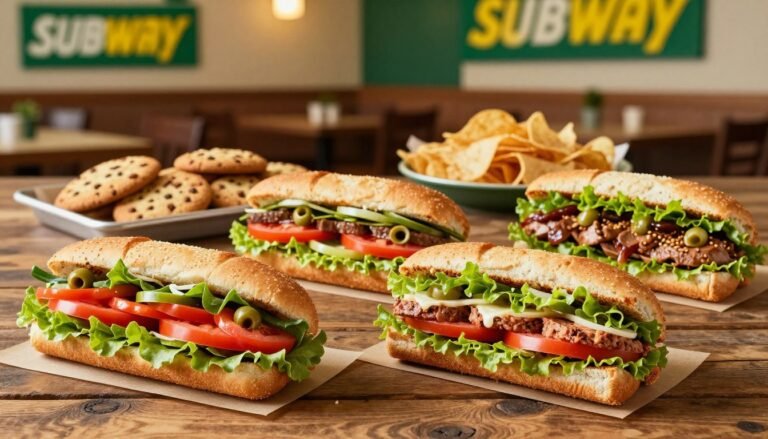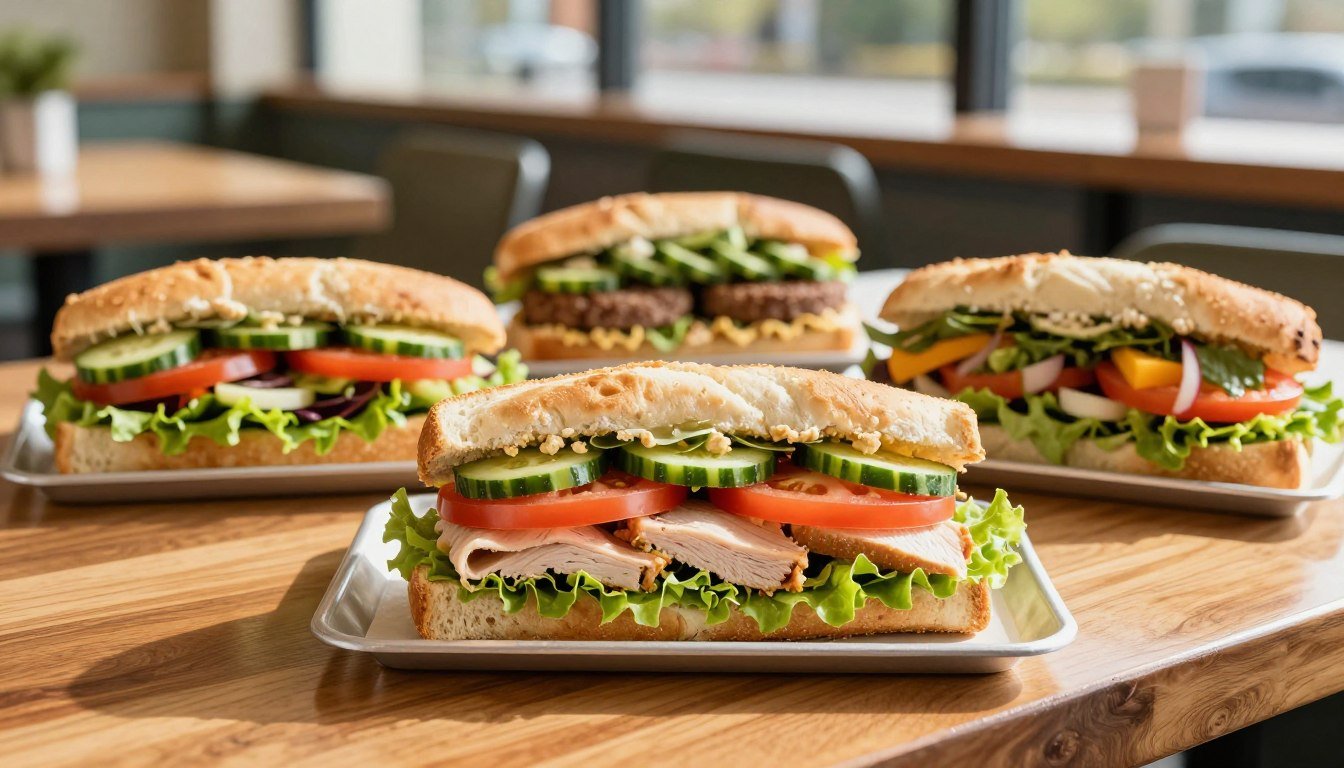
Subway Nutrition Menu: Explore Healthy Options
Eating healthy at fast-food chains can be challenging, but Subway’s nutrition menu makes it easier. With a variety of fresh ingredients and customizable sandwiches, you can create a meal that suits your dietary needs.
Whether you’re looking for low-calorie options or nutrient-rich ingredients, understanding Subway’s nutritional offerings is key. This article will guide you through the healthier choices available, helping you make informed decisions when you’re on the go.
Key Takeaways
- Discover how to make healthier choices at Subway.
- Learn about the nutritional content of Subway’s popular menu items.
- Explore tips for customizing your Subway sandwich for better health.
- Understand the importance of nutrition information when eating out.
- Find out how to balance your meal with Subway’s sides and drinks.
The Complete Subway Nutrition Menu Guide
Understanding Subway’s nutrition menu is key to unlocking a healthier eating experience. With a wide variety of options available, Subway provides a comprehensive guide to help customers make informed choices.
How to Access Nutrition Information
Subway makes it easy for customers to access nutrition information. You can find detailed nutritional data on their website or by asking for it in-store. Subway’s commitment to transparency ensures that customers have the information they need to make healthy decisions.
Understanding Subway’s Nutrition Labels
Subway’s nutrition labels are designed to be clear and easy to understand. They provide information on calories, fats, sodium, and allergens, helping customers to navigate their menu with confidence.
Calories, Fats, and Sodium Explained
Understanding the nutritional content of your Subway meal is crucial. Calories provide energy, while fats are essential for various bodily functions. However, excessive sodium consumption can be detrimental to health. Subway’s nutrition guide helps you balance these elements.
Allergen Information and Dietary Restrictions
Subway takes allergen information seriously, providing details on common allergens such as gluten, nuts, and dairy. This information is crucial for customers with dietary restrictions, ensuring a safe and enjoyable dining experience.
| Nutrient | Amount per Serving | % Daily Value |
|---|---|---|
| Calories | 360 | 18% |
| Total Fat | 10g | 15% |
| Sodium | 540mg | 23% |
Subway’s Commitment to Healthier Food Choices
With a focus on nutrition, Subway continues to innovate and improve their menu offerings. This commitment to healthier food choices is evident in their evolving approach to fast food.
Evolution of Subway’s Health-Focused Approach
Subway’s journey towards healthier options began with introducing a variety of vegetables and lean proteins. Over the years, they have expanded their menu to include more whole grains and reduced sodium options. This shift reflects Subway’s response to consumer demand for nutritious fast food.
Current Nutritional Standards and Practices
Today, Subway maintains high nutritional standards by carefully selecting ingredients. Their menu is designed to cater to various dietary needs, including low-calorie and high-protein options.
Ingredient Quality and Sourcing
Subway emphasizes the quality of their ingredients, sourcing fresh produce and using 100% whole grain bread options. They also prioritize responsible sourcing practices, ensuring that their suppliers adhere to high standards.
This commitment to quality is further reflected in their efforts to reduce artificial preservatives and flavors in their menu items, aligning with consumer preferences for cleaner, more natural ingredients.
Healthiest Subway Sandwich Options
Eating healthy doesn’t have to mean sacrificing flavor, especially at Subway where nutritious options abound. With a variety of ingredients to choose from, you can create a sandwich that not only tastes great but is also good for you.
Low-Calorie Sandwich Choices Under 300 Calories
For those watching their calorie intake, Subway offers several options under 300 calories. The Veggie Delite is a standout, with only 60 calories when made with 9-grain wheat bread. Another option is the Turkey Breast sandwich, which can be kept under 300 calories by choosing the right bread and vegetables.
- Veggie Delite: 60 calories (9-grain wheat bread)
- Turkey Breast: approximately 280 calories with 9-grain wheat bread and vegetables
High-Protein Sandwich Options
Protein is essential for a healthy diet, and Subway has several high-protein options. The Double Chicken Breast sandwich is a high-protein choice, offering 42 grams of protein. You can also opt for the Steak & Cheese sandwich, which provides a substantial amount of protein.
| Sandwich | Protein Content |
|---|---|
| Double Chicken Breast | 42 grams |
| Steak & Cheese | 36 grams |
Heart-Healthy Sandwich Selections
Subway sandwiches can be a heart-healthy choice when made with the right ingredients. Opting for whole grain bread and loading up on vegetables is a good start. The Turkey Breast sandwich is also a heart-healthy option when paired with vegetables like spinach and cucumbers.
Best Combinations for Maximum Nutrition
To maximize nutrition, combine lean proteins with a variety of vegetables and whole grain bread. For example, pairing the Chicken Breast with spinach, cucumbers, and bell peppers on 9-grain wheat bread creates a nutrient-rich meal that’s both filling and healthy.
- Choose whole grain bread for more fiber.
- Load up on vegetables for vitamins and minerals.
- Select lean proteins like chicken or turkey breast.
Nutritional Breakdown of Subway Bread Choices
Subway offers a variety of bread options, each with its own nutritional profile that can significantly impact your meal. The nutritional content can vary widely depending on the type of bread you choose, making it essential to understand these differences to make the healthiest choice.
Comparing Calories and Carbs in Different Breads
Subway’s menu includes several types of bread, ranging from classic white bread to more nutritious options like whole wheat. The calorie and carb content can differ significantly between these options. For instance, white bread tends to be higher in calories and carbs compared to whole grain alternatives. Using the Subway calories calculator can help you make a more informed decision by providing a detailed breakdown of the nutritional content of your chosen bread.
Whole Grain and Healthier Bread Alternatives
For those looking for a healthier option, Subway offers whole grain bread alternatives that are higher in fiber and nutrients. These options not only provide a more satisfying meal but also contribute to a healthier diet. Choosing whole grain bread can be a simple yet effective way to enhance the nutritional value of your Subway sandwich.
Gluten-Free Options and Considerations
Subway also caters to customers with dietary restrictions by offering gluten-free bread options. While these are a great alternative for those with gluten intolerance or sensitivity, it’s crucial to note that the preparation environment is not gluten-free. Therefore, there’s a risk of cross-contamination. It’s always a good idea to inform the staff about your dietary needs to minimize this risk.
Subway Salad Nutrition Facts
For those seeking a lighter meal option, Subway’s salads provide a wealth of choices that are both healthy and satisfying. Subway’s salad menu is designed to cater to various dietary needs, offering a range of options that are not only delicious but also packed with nutrients.
Nourishing Options
Subway’s menu includes several protein-packed salad options that are perfect for those looking to boost their protein intake. Some of the top choices include:
- Chicken & Bacon Ranch Melt Salad
- Turkey Breast Salad
- Roast Beef Salad
These salads are not only high in protein but also rich in vegetables, making them a well-rounded meal choice.
Low-Calorie Delights
For those watching their calorie intake, Subway offers several low-calorie salad combinations. Some of the lowest calorie options include:
- Veggie Delite Salad
- Turkey Breast Salad without cheese or high-calorie dressings
- Chicken Salad with plenty of vegetables and a light dressing
The Impact of Dressing Choices
Dressing can significantly impact the nutritional value of your salad. Subway offers a variety of dressings, ranging from low-fat options like Italian Balsamic to higher calorie choices like Ranch. Choosing the right dressing is crucial for maintaining the nutritional integrity of your salad.
Building a Balanced Salad Bowl
To create a balanced salad, start with a base of fresh vegetables, add a protein source like chicken or turkey, and finish with a light dressing. Here are some tips:
- Choose a variety of colorful vegetables for maximum nutrient intake.
- Select a lean protein source.
- Opt for a low-fat dressing or use it sparingly.
By following these guidelines, you can enjoy a nutritious and satisfying Subway salad that meets your dietary needs.
Navigating Subway’s Protein Options
Subway offers a diverse range of protein options, catering to various dietary needs and preferences. Whether you’re looking for lean meats, plant-based alternatives, or high-protein choices, Subway has something for everyone.
Nutritional Comparison of Meat Choices
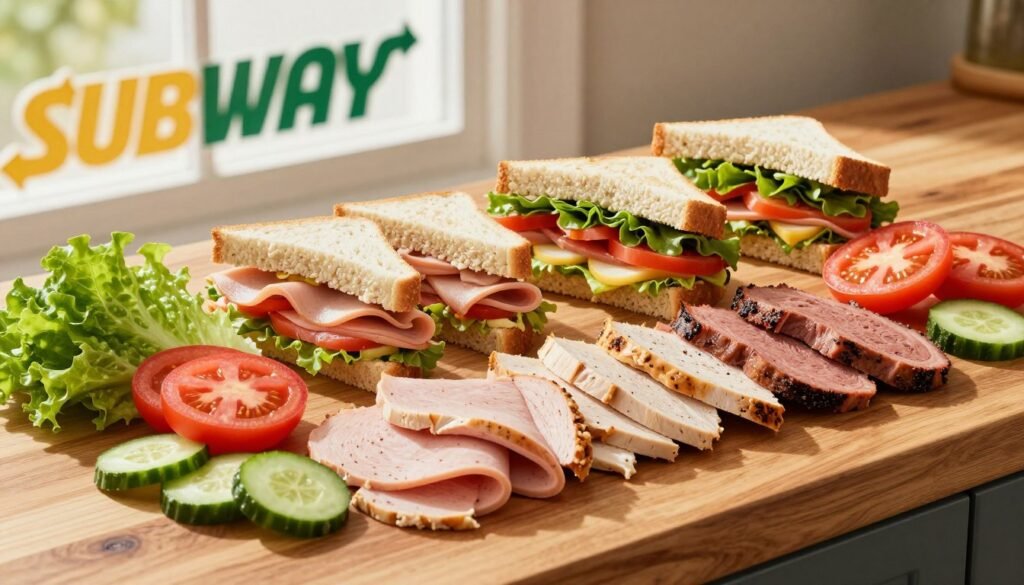
Subway’s meat choices vary significantly in terms of nutritional content. For instance, turkey breast is a lean protein option, low in fat and calories. On the other hand, meats like pepperoni and salami are higher in sodium and saturated fats. Choosing the right meat can make a significant difference in the overall nutritional value of your sandwich.
Plant-Based Protein Alternatives
For vegetarians and vegans, Subway offers plant-based protein alternatives such as black beans, tofu, and falafel. These options not only provide a good source of protein but are also lower in saturated fats and higher in fiber compared to some meat choices. Incorporating plant-based proteins into your Subway sandwich can be a nutritious and flavorful choice.
Sodium Content in Subway Proteins
One important consideration when choosing protein options at Subway is sodium content. Some meats, like processed deli meats, can be high in sodium. Being mindful of this can help you make a healthier choice. Opting for lower-sodium protein sources can contribute to a heart-healthy meal.
Best Protein Choices for Different Dietary Goals
Depending on your dietary goals, certain protein options at Subway may be more suitable than others. For those looking to reduce calorie intake, lean proteins like chicken breast or turkey breast are good choices. For individuals focusing on plant-based diets, options like black beans or tofu are not only high in protein but also rich in fiber.
- For low-calorie diets: Choose lean meats like turkey or chicken breast.
- For high-protein diets: Consider adding multiple protein sources to your sandwich.
- For low-sodium diets: Opt for lower-sodium meats or plant-based proteins.
Subway Breakfast Menu Nutrition Information
Starting your day with a nutritious breakfast is crucial, and Subway’s breakfast menu offers a variety of options to suit different dietary needs. Whether you’re looking for a quick bite on the go or a meal to start your day right, Subway has a range of breakfast sandwiches and flatbreads that cater to various tastes and nutritional requirements.
Healthiest Breakfast Sandwich Options
Subway’s breakfast menu includes several healthy options. The Egg White & Cheese on whole-grain bread is a low-calorie choice, with approximately 180 calories. Another healthy option is the Black Forest Ham, Egg White & Cheese flatbread, which is high in protein and relatively low in calories.
Protein Content in Breakfast Items
Protein is an essential nutrient for breakfast, helping to keep you full until your next meal. Subway’s breakfast sandwiches vary in protein content. For example, the Steak, Egg & Cheese sandwich contains a significant amount of protein, making it a satisfying choice.
Making Smart Morning Choices at Subway
To make the healthiest choice, consider the following tips:
- Choose whole-grain bread or wraps for more fiber.
- Opt for egg whites to reduce cholesterol and saturated fat.
- Select lean protein sources like turkey or black forest ham.
- Be mindful of cheese and sauce additions that can increase calorie and fat content.
| Breakfast Item | Calories | Protein (g) |
|---|---|---|
| Egg White & Cheese | 180 | 18 |
| Black Forest Ham, Egg White & Cheese | 320 | 22 |
| Steak, Egg & Cheese | 440 | 32 |
Using the Subway Calories Calculator for Custom Orders
The Subway calories calculator allows you to craft a personalized meal that meets your nutritional requirements. By utilizing this tool, you can make informed decisions about your meal choices, ensuring they align with your health and dietary goals.
How to Customize Orders for Specific Dietary Needs
Customizing your Subway order is straightforward with their calories calculator. You can select from a variety of ingredients to create a meal that suits your needs. For instance, you can choose lower-calorie bread options, load up on vegetables, and pick proteins that fit your dietary requirements.
Tips for Customization:
- Choose whole grain bread for more fiber
- Load up on vegetables for added nutrients
- Select lean proteins like chicken or turkey breast
- Be mindful of sauces and cheeses, as they can add calories
Tracking Macronutrients with Subway’s Tools
Subway’s nutrition guide and calories calculator provide detailed information on the macronutrient content of their menu items. This allows you to track your intake of carbohydrates, proteins, and fats, making it easier to stay within your dietary limits.

Tips for Staying Within Calorie Goals
To stay within your calorie goals, it’s essential to be mindful of the ingredients you choose. Opting for lower-calorie options and being aware of portion sizes can help. Additionally, using the Subway calories calculator to preview your meal’s nutritional content before you order can guide your decisions.
Special Dietary Considerations (Keto, Paleo, Vegan)
For those following specific diets like keto, paleo, or vegan, Subway’s calories calculator and nutrition guide can be particularly useful. For example, individuals on a keto diet can focus on high-fat, low-carb options, while vegans can avoid animal products. Here’s a comparison table for different dietary needs:
| Diet | Recommended Options | Avoid |
|---|---|---|
| Keto | High-fat proteins, low-carb veggies | Sugary sauces, high-carb bread |
| Paleo | Lean meats, vegetables | Dairy, grains |
| Vegan | Plant-based proteins, veggies | Animal products, dairy |
By leveraging Subway’s calories calculator and nutrition information, you can enjoy a meal that not only tastes great but also fits your dietary needs.
Conclusion: Building the Healthiest Subway Meal
Creating a healthy meal at Subway involves making informed choices from their diverse subway nutrition menu. By selecting the right bread, protein, vegetables, and sauces, you can enjoy a nutritious meal that aligns with your dietary goals.
To build the healthiest Subway meal, start with whole grain bread or consider a salad as a base. Choose lean proteins like chicken breast or plant-based alternatives for a nutritious boost. Load up on vegetables to add fiber and vitamins without extra calories. Be mindful of sauces and cheeses, as they can significantly impact the nutritional value of your meal.
By applying the insights gained from Subway’s nutrition information and using tools like their calories calculator, you can customize healthy subway options that fit your needs. Whether you’re looking for low-calorie options or high-protein meals, Subway’s menu offers a variety of choices to suit different dietary preferences.